
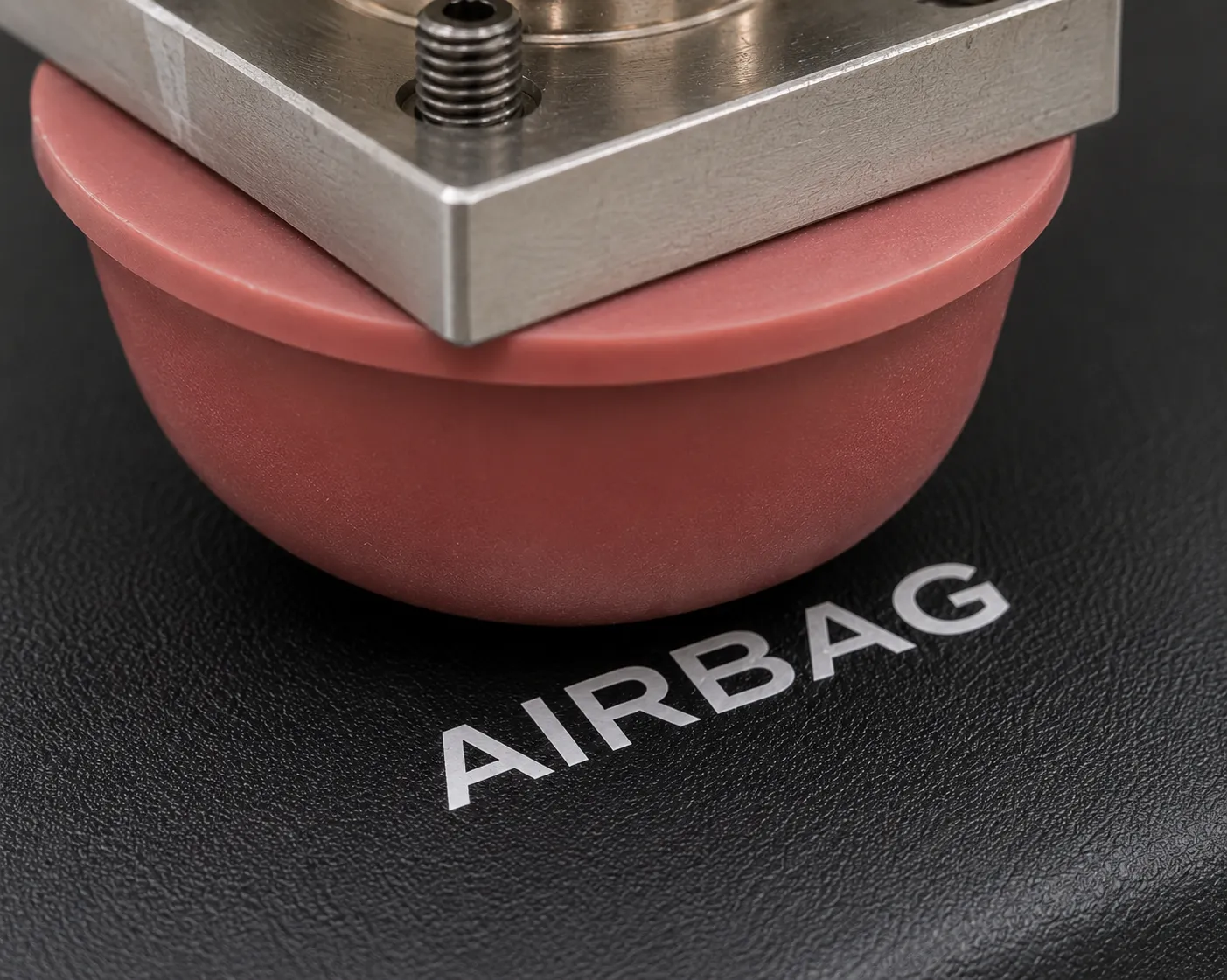
The automotive industry demands extremely high-performance printing inks due to the harsh environments in which printed parts operate. From dashboards and instrument panels to exterior trims and under-the-hood components, inks must withstand chemicals, UV exposure, temperature fluctuations, and mechanical wear. Selecting the right ink system is therefore critical for long-term durability and visual quality.
Key Requirements for Automotive Printing Inks
Automotive inks must meet the following essential criteria:
Strong Adhesion
Especially on challenging substrates like glass-filled nylon, polycarbonate, ABS, coated metals and coated plastics.
Chemical Resistance
Resistance to fuels, oils, brake fluids, cleaning agents, face creams, hand lotions, mosquito repellents etc.
Heat Resistance
Stability across a wide temperature range (40 to 80 deg C)
UV & Weather Resistance
Prevention of fading and degradation under sunlight.
Abrasion Resistance
Ability to withstand wear, scratching, and repeated handling


Types of Inks Used in Automotive Applications:
1. Epoxy-Based Inks
- Excellent adhesion on metal and glass
- High chemical resistance
- Typically used for indoor or protected environments
- Limitations: Epoxy polymers contain aromatic structures that absorb UV. This leads to yellowing, chalking, and pigment exposure. Result: visible fading over time
2. Acrylic-Based Inks
- Used for general plastic applications
- Moderate performance compared to PU systems
3. Polyurethane (PU)-Based Inks
- Highly versatile and durable
- Suitable for outdoor and high-performance applications
Below is a comparison of commonly used RUCOINX inks:
This comparison highlights the differences between epoxy, polyurethane, and acrylic-based inks in terms of application, resistance, and performance.
| T01 series | T38 series | T200 series |
| Epoxy based | PU Based | Acrylic based |
| Medium light fastness | High light fastness | High light fastness |
| Good for metal and glass | Good for plastic | Good for plastic |
| Indoor ink | Outdoor ink | Outdoor ink |
| Chemical resistant | Chemical resistant | Limited chemical resistant |
| 2 component ink | 2 component ink | 1 or 2 component ink |
Polyurethane inks are widely recommended for demanding automotive applications due to their superior performance:
1. High Weather & UV Resistance
For outdoor applications, the T38 ink series (PU-based) is strongly recommended. It offers:
- Highest lightfastness
- Excellent resistance to UV, moisture, and environmental exposure
- With a BWS 8, PU based ink can resist up to ~2000 hours UV irradiation under standard test conditions;
The Blue Wool Scale (BWS) is an 8-level standard for measuring the light fastness of dyes and pigments, indicating how resistant a material is to fading from exposure to light. Level 1 is the least resistant, while Level 8 is excellent, with each subsequent level having double the light fastness of the previous one.
- Doesn’t fade for 5–8 years of outdoor exposure
2. Strong Crosslinked Film Formation
PU inks form a flexible yet tough crosslinked structure, which:
- Protects pigments from UV degradation
- Prevents moisture and chemical penetration
- Enhances long-term durability
3. Chemical Resistance
Polyurethane inks resist fuels, oils, and harsh chemicals, making them suitable for both interior and exterior automotive parts.
Conclusion
In automotive printing, durability is driven by both ink chemistry and process control. While epoxy and acrylic inks have their place, polyurethane-based inks stand out for outdoor and high-performance applications due to their superior UV resistance, flexibility, and chemical durability.
For critical applications—especially on plastics and outdoor components- the RUCOINX T38 ink series is the most reliable choice when combined with proper hardener usage and curing conditions.


